

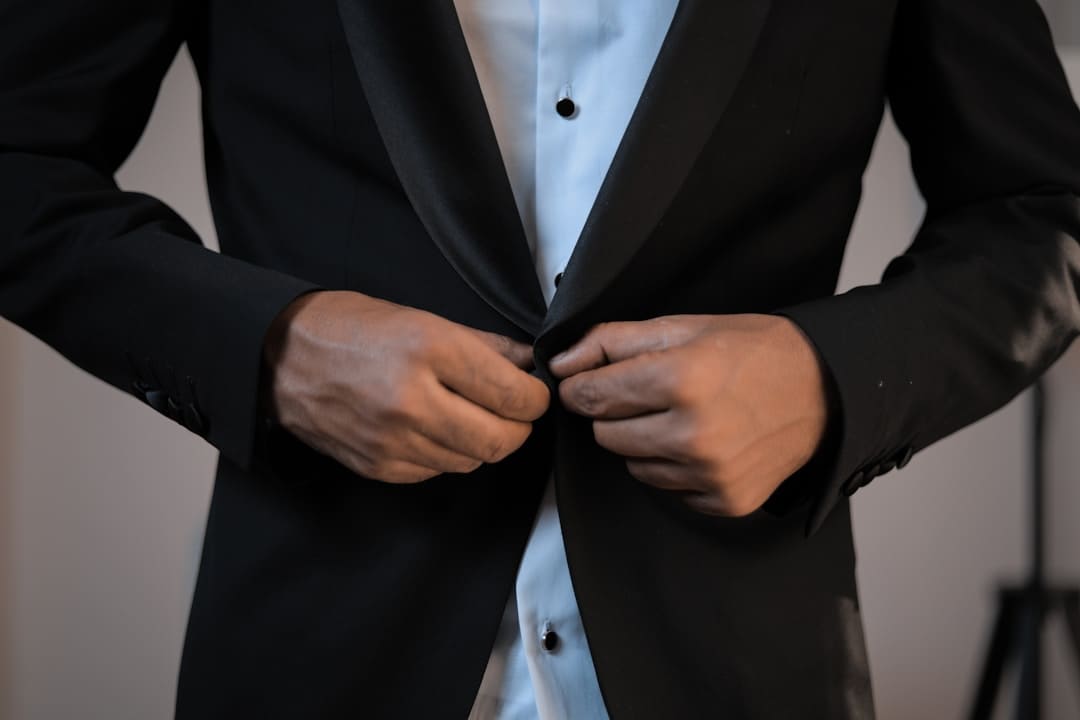
Finding the perfect suit or tuxedo can be a daunting task, especially with the vast array of choices available in the market. Whether you’re buying your first suit or expanding your formal wardrobe, it’s essential to consider everything from style to fit to material. Ensuring that you make an informed decision can elevate your look for any important event or professional setting. Below, we delve into expert advice on selecting the right attire that will stand the test of time and keep you looking sharp.
Understanding the Basics of Suit and Tuxedo Styles
Recognizing suit and tuxedo styles is key to achieving the desired look. A single-breasted suit offers timeless versatility, while a double-breasted suit presents a formal, vintage appeal. Tuxedos, known for their satin lapels and accessories like cummerbunds or waistcoats, are ideal for black-tie occasions.
The event’s formality, from weddings to conferences, should guide the choice of style, color, and pattern. Lapel types also influence the outfit’s tone, with Notch lapels being versatile, Peak lapels more formal, and Shawl lapels elegant and traditional. Considering dress codes or event themes helps ensure the chosen attire aligns with the occasion while maintaining a polished and appropriate appearance.
Considering Fabric and Material Quality for Longevity
The longevity of a suit or tuxedo largely depends on its fabric quality. Wool remains a top choice for its durability, breathability, and ability to retain shape, with different weights suitable for various seasons. While cashmere blends offer a softer, more luxurious feel, they tend to be more delicate. On the other hand, polyester options are budget-friendly but less breathable and less durable over time.
When selecting a tuxedo, finer details like silk lapels or grosgrain stripes can enhance its elegance. Examining the fabric’s texture and weave helps determine quality and long-term wearability. For tailored advice on the best material for your needs, contact Michigan suit and tuxedo experts.
The Importance of Proper Fit and Tailoring
A well-fitting suit or tuxedo greatly enhances appearance, comfort, and confidence. Even premium fabrics can look unflattering if the fit is off. Key indicators of proper fit include shoulder seams aligning with the shoulders, a jacket that closes smoothly, and sleeves revealing a hint of shirt cuff.
Tailoring is essential for achieving a polished look, as off-the-rack suits often need adjustments in sleeve or trouser length, waist tapering, or button placement. For unique body types, made-to-measure or bespoke options provide a precise fit tailored to individual measurements. Investing in alterations ensures better movement, durability, and longevity, allowing the garment to complement the wearer’s body naturally.
Navigating Color Choices and Pattern Selection
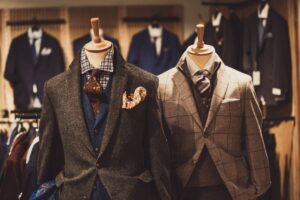
Choosing the right color and pattern for a suit or tuxedo is just as important as its style and fit. Classic shades like black, navy, and gray offer timeless versatility, pairing well with various shirts, ties, and shoes for a polished look. For those seeking individuality, subtle patterns such as plaids, pinstripes, or herringbone can add personality without compromising sophistication.
When selecting colors or patterns, consider the event and how the outfit fits within your existing wardrobe. Bolder options may be ideal for special occasions, but balance is key; combining personal style with practicality ensures confidence and comfort in any setting.
Accessorizing to Enhance Your Formal Attire
Accessories play a vital role in enhancing formal attire, adding refinement and personality to a suit or tuxedo. Classic pieces such as ties, bow ties, pocket squares, and cufflinks bring sophistication when chosen to complement the outfit’s style and color scheme. The right combination, such as a belt with Oxford shoes or suspenders with loafers, can influence the formality of the look.
For tuxedos, traditional accessories like a cummerbund, waistcoat, and patent leather shoes remain timeless, though modern styles offer more flexibility. Striking a balance between expression and restraint is key, as each accessory should enhance the ensemble without overwhelming it, maintaining an elegant and cohesive appearance.
Overall, purchasing a suit or tuxedo entails a keen awareness of style, fabric quality, fit, color, and accessorizing. By approaching each element thoughtfully, you can assemble formal attire that reflects your personal style and stands up to the rigors of special events and professional environments. With an eye for detail and an understanding of these principles, you’re well-equipped to invest in a suit or tuxedo that you’ll be proud to wear for years to come.

