

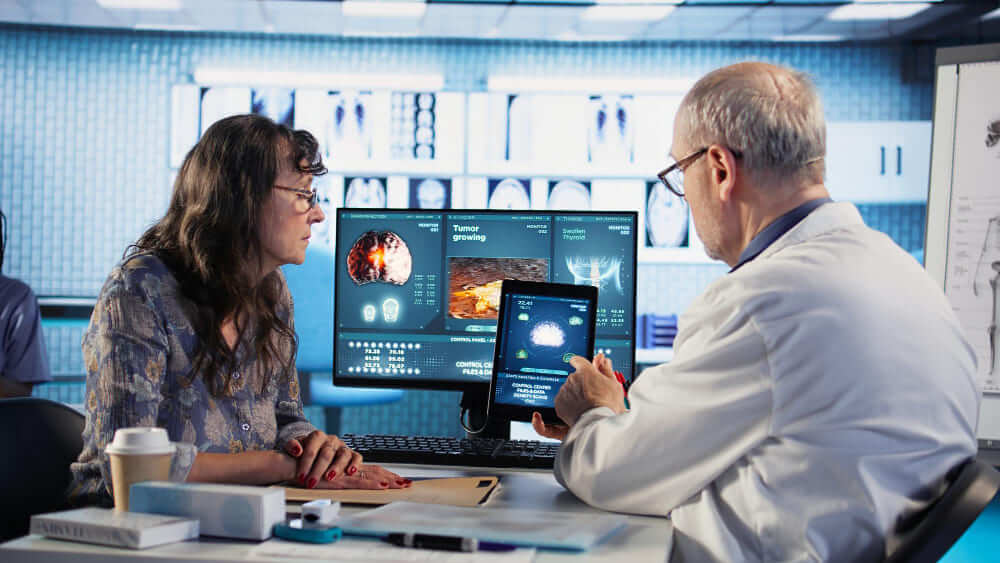
Clinical trials are the main drivers of medical progress. However, they’re also incredibly complex, costly, and laborious. Every research generates mountains of data, from an individual patient’s demographics to dosing schedules and adverse effects.
Managing this accurately and securely isn’t just a logistical challenge. It’s where the patient safety and scientific credibility lie. This is where clinical data management (CDM) software comes in.
Read on as this article explains why many organizations consider it the backbone of modern research activities.
CDM Software in a Nutshell
Clinical research has grown more complex in recent years, making traditional practices obsolete. Paper-based data and fragmented apps simply can’t keep up with the demands of modern trials. This reality makes an enterprise clinical data management platform a necessity among research organizations.
It’s an all-in-one platform that manages the lifecycle of clinical trial data. Unlike a standard database, it collects, validates, stores, and analyzes information while adhering to strict legal and ethical standards.
What You’re Getting
CDM systems have multiple clinical data applications for different functions, for example:
- A database builder that designers use to create the study’s structure. It dictates the workflows and identifies the data fields needed for the trial.
- Electronic Data Capture (EDC), where teams enter patient data into Electronic Case Report Forms (eCRFs) instead of paper. It’s key to efficient database management. Instead of working with paper forms or spreadsheets, you have a centralized system that promotes reliable data quality and consistency.
- Data validation and cleaning tools that effectively spot data discrepancies. They run automated rules to catch errors the moment you enter them. There’s also a query management hub allowing data managers to flag suspicious data and send queries back to the concerned site for correction or clarification.
- A medical coding feature that translates medical teams into standard global codes for consistency.
- An audit trail and user management app that logs every single action taken in the system. The system also ensures that only authorized users can see sensitive data.
Experts predict that the CDM market will cumulatively grow by 12 percent from 2025 to 2030. Increasing research activities worldwide and the advancements in clinical research technology solutions are driving the sector’s steady performance.
A word of caution for those exploring clinical data management systems for the first time: Check the product’s compatibility with your current system. Modern CDM systems don’t run on legacy systems. Most are cloud-based or are offered via software-as-a-service (SaaS). Either way, sticking to outdated systems exposes you to costly operational inefficiencies, whether you’re planning to use CDM or not.
Seamless Integration of Multiple Data Sources
Today’s clinical database relies on numerous sources, with data stored across different platforms and formats. There are imaging centers, medical devices, and electronic health records (EHR). These aren’t inherently designed to be interoperable, so manually merging them can be a recipe for disaster.
Researchers can link modern CDM systems with different clinical data sources and integrate them into a single, standardized format. This connected data flow improves the quality of your statistical analysis. It ensures that your drug’s efficacy is clearly demonstrated and supported by the piece of evidence you’ve collected throughout the study.
Eliminating Data Errors
Humans aren’t machines, and even the most careful person is bound to make a mistake. A 2023 study, for example, noted that human factors (58.7%) are the most common causes of laboratory testing processes that further result in diagnostic errors. In 2024, about 95% of data security breaches were primarily attributed to a user’s lapse in judgment.
Like healthcare services, research often has a string of interdependent processes, and thousands of lives can be at stake with a seemingly minor mistake. That’s why there’s no room for error in clinical trials. Accuracy is crucial, especially when filling out Electronic Case Report Forms (eCRFs), which contain extensive patient information and lab reports, among many other essential information for a particular study. Accidentally entering a dose of 50 mg instead of 5mg can have grave consequences for the clinical research results.
CDM software automates edit checks that flag outliers and missing fields instantly. It alerts the user if a value falls outside a pre-defined range. As such, you’ll spend less time discussing queries or cleaning data and can focus on reporting and analysis instead.
Real-Time Visibility
In the past, research managers wouldn’t pick up a problem at a specific site unless a monitoring team visited the location. This isn’t a concern with CDM software, as the tool provides you with an extensive view of the entire study from your desk.
Interactive dashboards allow you to monitor patient participation and identify trends across multiple locations. You can view data as soon as it’s entered rather than waiting for weeks for paper forms to be processed. This efficiency is particularly useful in decentralized clinical trials and adaptive trial designs, where real-time access and data-driven decisions are crucial.
It helps teams identify problems early and implement changes to address them. For example, if a participant experiences a severe adverse reaction, the system will immediately log it and notify the concerned team. If one site is consistently missing a data point, you can send a message to remind them of the protocols.
Proactive monitoring dramatically saves time and resources. Studies have shown that pharmaceutical companies spend up to 15 years and two billion US dollars to make a new drug. Even so, 90% of novel treatments never make it past the first phase. This clinical trial stage focuses on the drug’s safety and how the body metabolizes it. About 50% of failures are caused by a lack of clinical efficacy, while 30% have unmanageable toxicity.
Turning Raw Data into Actionable Intelligence
Customary trials didn’t require reporting and clinical analytics until after the trial. This delayed activity reflects a missed opportunity for risk-based quality management. Waiting for quarterly reports and operational insights means you can miss subtle but dangerous trends in patient safety. Moreover, it leads to data decay, which, if not managed properly, can cause more serious problems, including unreliable results and regulatory issues.
Fortunately, CDM software can generate reports instantly, so clinical research organizations (CROs) no longer need to manually compile data for interim analyses that take weeks to months. Continuous reporting and analysis guarantee that your final output is statistically and contextually correct.
But how can you assure data integrity as you wrap up? Database locks are set in place once the principal investigator finalizes the data. User access is either turned to read-only or eliminated entirely. Doing so prevents unauthorized changes or accidental editing of clinical data or patient files.
Audit Trail and Regulatory Compliance Support
Trials must meet strict regulatory standards set by agencies, including the US Food and Drug Administration (FDA), European Medicines Agency (EMA), and the UK’s Medicines and Healthcare products Regulatory Agency (MHRA).
When reviewing documents, these regulatory bodies don’t just focus on the results but also evaluate data integrity. As such, they require CROs to use standardized formats. CDM tools have built-in standardization and compliance tools that make your submissions audit-ready.
The software enables audit trail reviews, so that regulators can trace every data entry back to its sources, in accordance with FDA CFR Part 11 and similar rules. Many solutions likewise enforce Good Clinical Practice that focuses on ethical approval and quality assurance, among many other aspects.
Optimize Your Next Trial
The right software is your most valuable ally if you’re seeking to bring life-saving treatments to patients as soon as possible. That’s because switching to CDM software doesn’t just mean automating mundane tasks; it raises the bar of quality for the entire trial. These systems provide you with a view of the trial’s progress and clear clinical data flow, while enforcing the rules. It eliminates technical bottlenecks, so you can produce an accurate and reliable scientific conclusion.

