

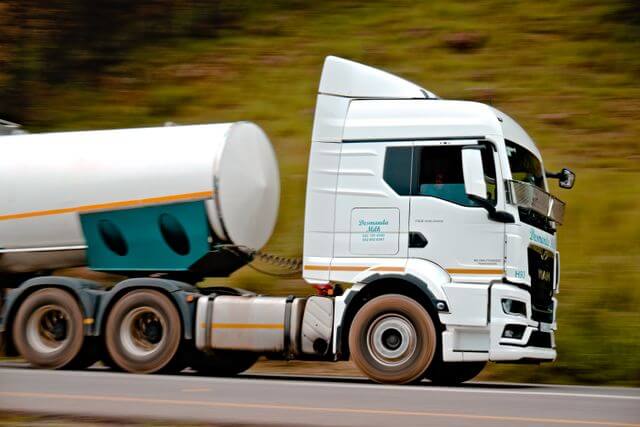
For years, the “Uber for X” model reshaped how people move, eat, and shop. The next quiet disruption is happening somewhere less glamorous but far more critical to the economy: the fuel that keeps commercial fleets running. Mobile fuel delivery, once a niche convenience, is turning into a technology-driven logistics play that is changing how construction firms, landscapers, and last-mile carriers manage one of their largest recurring costs.
Why the Gas Station Model Is Breaking Down
The traditional refueling model was built for consumers, not fleets. A driver detours to a station, waits in line, pays, keeps a paper receipt, and drives back. Multiply that across dozens of vehicles and the hidden cost becomes obvious: lost labor hours, extra mileage, fuel burned just to reach the pump, and near-zero visibility into what each vehicle actually consumed.
At the same time, the number of gas stations across the United States has been steadily declining, even though gasoline still powers the overwhelming majority of vehicles on the road. That gap between shrinking infrastructure and steady demand is exactly the kind of friction that invites a technology-first solution. The signals suggest mobile fuel delivery is positioned to become the next major on-demand service breakthrough, applying the same convenience economics that reshaped ride-hailing and grocery delivery to a $500 billion retail fuel market.
Software Is the Real Product
What makes this a tech story rather than a delivery story is the data layer sitting on top of the fuel. Modern providers pair scheduled or on-demand deliveries with telematics, GPS routing, and cloud dashboards. Fleet managers log in to see per-vehicle consumption, invoices, pricing trends, and delivery confirmations in one place, the same way they already track shipments or driver behavior.
This turns fuel from a blind, variable expense into a measurable, forecastable input. Route optimization reduces the miles a tanker travels. Electronic transactions replace cash and cards, closing off the skimming and fraud risk that comes with public pumps. And usage data feeds directly into cost models, which matters when fuel volatility can swing a fleet’s monthly budget by thousands of dollars.
The Operational Case for Fleets
The efficiency argument is what actually moves decision-makers. Fuel is delivered directly to the yard, job site, or equipment overnight, so vehicles start each shift full without a single driver detour. The broader benefits of mobile fueling extend beyond convenience: less vehicle wear from eliminated station trips, reduced downtime, tighter security on payments, and better compliance with fuel-handling and safety standards.
For industries where equipment sits in remote or hard-to-move locations, such as construction, refrigerated transport, events, and landscaping, the model is especially compelling. You do not relocate a generator or a reefer trailer to a gas station. Bringing the fuel to the asset is not just easier; often it is the only practical option.
Sustainability as a Side Effect
There is an environmental angle worth noting, and it is a byproduct of the efficiency rather than the headline. When dozens of vehicles no longer make individual trips to and from stations, aggregate mileage and idling drop. A single optimized delivery route replaces many redundant journeys, which trims emissions while cutting cost. For companies now reporting on sustainability metrics, that is a rare win where the greener option is also the cheaper one.
What Comes Next
The trajectory looks familiar to anyone who watched earlier on-demand categories mature. Early adopters prove the model, software tightens the margins, and what once seemed like a premium convenience becomes the operational default. As fuel-price pressure and labor costs keep rising, the businesses that treat refueling as a data problem rather than a chore will hold a measurable edge.
Mobile fuel delivery will not make headlines the way autonomous trucks or EV fleets do. But quietly, at the level of daily operations, it is already rewriting one of logistics’ oldest routines, and the fleets paying attention are the ones capturing the savings first.

